If you’re planning a trip to Johannesburg and want to understand the soul of South Africa, there’s one place you absolutely cannot miss—the Hector Pieterson Memorial and Museum in Soweto. This isn’t just another tourist attraction on your itinerary; it’s a powerful journey through one of the most pivotal moments in South African history.
The Story Behind the Memorial
Picture this: June 16, 1976. Thousands of schoolchildren marching peacefully through the dusty streets of Soweto, carrying handmade signs and chanting for their right to learn in their own language. What started as a student protest against being forced to learn in Afrikaans—the language many associated with their oppressors—turned into a watershed moment that would change South Africa forever.
Hector Pieterson was just twelve years old when he became one of the first casualties of that fateful day. The iconic photograph of his lifeless body being carried by a fellow student, with his sister running alongside in anguish, became one of the most powerful images of the anti-apartheid movement. Today, the memorial stands just two blocks from where young Hector fell, opened in 2002 to honor not just him, but the more than 170 students who lost their lives during the uprising.
What Makes This Place Special
Located in Orlando West, Soweto, at 8288 Khumalo Street, the Hector Pieterson Memorial and Museum offers visitors something truly rare—an authentic, unfiltered look at history from the perspective of those who lived it. This isn’t a sterile, hands-off museum experience. It’s visceral, emotional, and incredibly moving.
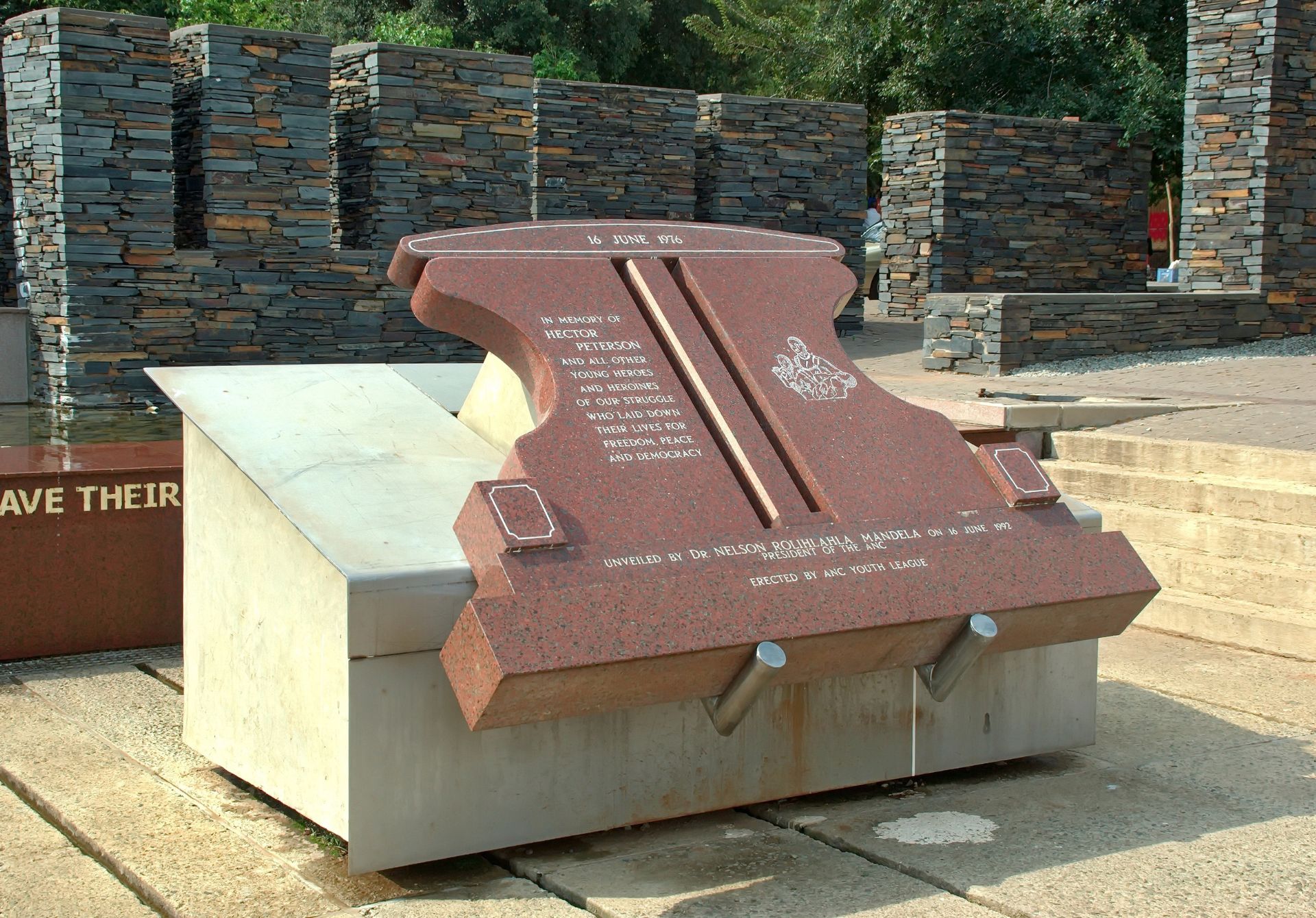
The memorial itself features striking architecture that immediately captures your attention. The outdoor memorial site includes a monument near the actual spot where Hector was shot, creating a tangible connection to that tragic day. Walking through these spaces, you can almost hear the echoes of young voices demanding change.
Inside the Museum Experience
The museum takes you on a comprehensive journey through the events of June 16, 1976, and the broader context of the Soweto Uprising. Here’s what you can expect:
- Documentary films featuring eyewitness accounts and archival footage that bring the uprising to life before your eyes
- Detailed explanatory panels that walk you through the Bantu Education Act of 1953 and how it set the stage for the student protests
- Powerful photographs documenting not just that day, but the resistance movement that followed across South Africa
- Personal testimonies from survivors and participants who share their firsthand experiences
- Context about how this single event sparked nationwide protests and international attention to apartheid’s brutality
Why Tour Operators Love Bringing Guests Here
As someone interested in concierge services and tourism, you should know that the Hector Pieterson Memorial has become an essential stop on Soweto tours for good reason. It complements visits to nearby attractions like Vilakazi Street (where both Nelson Mandela and Desmond Tutu once lived), the Regina Mundi Church, and Mandela House, creating a comprehensive historical tour of Soweto.
The museum was funded through a collaboration between the Department of Environmental Affairs and Tourism and the Johannesburg City Council, with an investment of 16 million Rand—a testament to how seriously South Africa takes preserving this history. Tour guides consistently rate it as one of the most impactful stops on their itineraries because it transforms abstract history into human stories that resonate deeply with visitors from around the world.
The Lasting Impact
Here’s something that gives you perspective: June 16th is now Youth Day in South Africa, a national public holiday commemorating the courage of those students. Every year, South Africans pause to remember the young people who stood up against injustice, even when it cost them everything. The memorial isn’t just looking backward—it’s a call to today’s youth to remain vigilant about protecting hard-won freedoms.
What makes the Hector Pieterson Memorial particularly powerful for international visitors is how it demonstrates the universal themes of youth activism, the fight for educational rights, and the human cost of systemic oppression. The students who marched that day weren’t asking for much—just the right to learn in a language they could understand. The fact that such a reasonable request was met with such brutal violence speaks volumes about the apartheid regime’s cruelty.
Planning Your Visit
When arranging visits for clients or planning your own trip, keep in mind that this isn’t a quick stop. Give yourself at least two to three hours to fully absorb the exhibits and outdoor memorial spaces. The emotional weight of the experience means you’ll want time to process what you’re seeing and learning.
The museum pairs beautifully with other Soweto experiences. Many visitors find that starting here provides crucial context that enriches their entire Soweto experience. It helps you understand not just what happened during apartheid, but why places like Vilakazi Street and the homes of struggle heroes are so significant.
Final Thoughts: More Than Just a Memorial
The Hector Pieterson Memorial and Museum serves as both a tribute and a teaching tool—a place where the past refuses to be forgotten and future generations can learn from history’s harsh lessons. For tourists seeking authentic cultural experiences beyond safari and scenic views, this memorial offers something profound: a chance to bear witness to history and understand the resilience of the human spirit.
Whether you’re a tour operator crafting meaningful itineraries or a traveler seeking destinations with depth and significance, the Hector Pieterson Memorial deserves a prominent place on your Johannesburg must-see list. It’s a reminder that sometimes the most important journeys aren’t to beautiful places, but to places that make us better understand the world and our place in it. In the heart of Soweto, at a modest memorial to a twelve-year-old boy, you’ll find one of South Africa’s most powerful stories—and it’s waiting to change how you see history, activism, and the price of freedom.